Mongolia Moves to Replace Free Zone Law With Broader Special Economic Zone Framework
 Ч.Сумъяабазар
08 сарын 27, 2026

ULAANBAATAR, Mongolia — A new draft law would expand Mongolia’s existing free-zone system to cover industrial, technology, tourism, logistics and agricultural zones, while promising faster approvals and stronger incentives for investors.
Mongolia is proposing a major overhaul of its legal framework for free zones, replacing the existing Law on Free Zones with a broader Law on Special Economic Zones designed to attract investment, promote exports and develop regional industries.
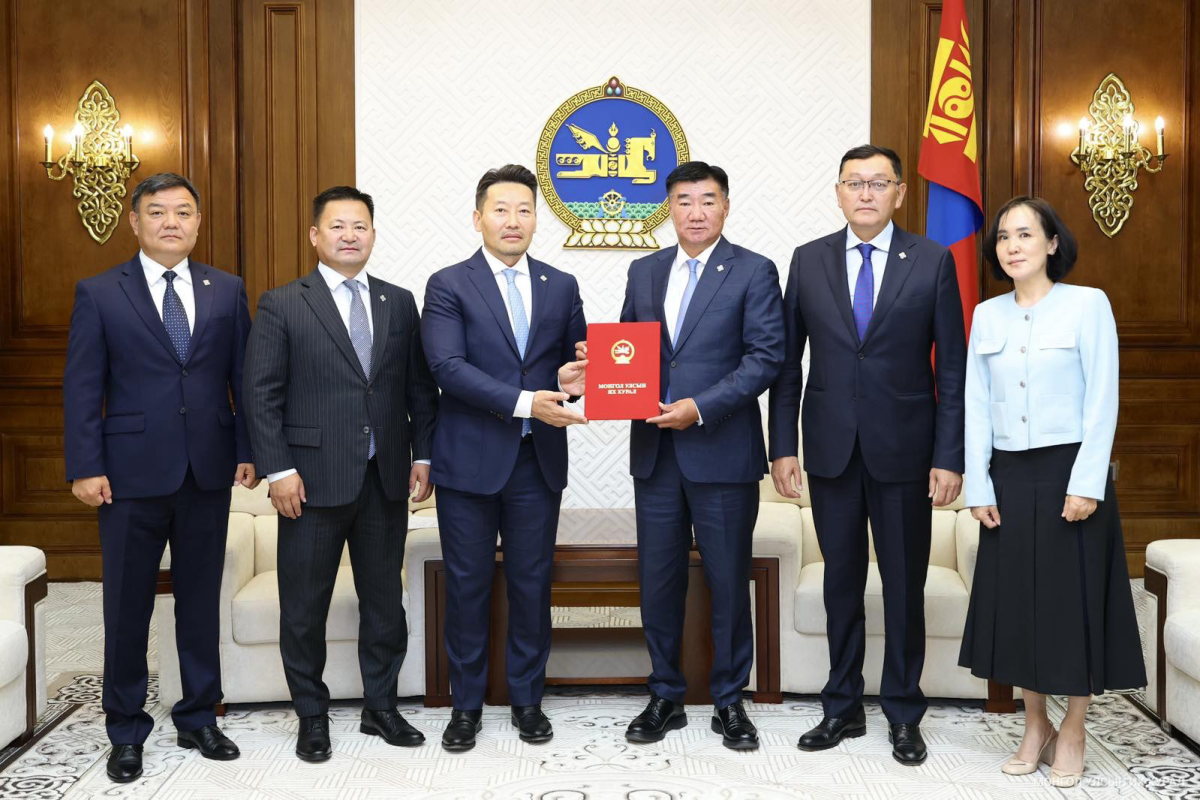
The revised bill was submitted to parliament on August 21, 2026 by MPs Kh.Ganhuyag, R.Batbold, Ts.Munkhbat and Kh.Jangabyl. The proposal seeks to transform Mongolia's free zones from largely border-oriented commercial areas into a wider economic-development mechanism, including manufacturing, technology, logistics, tourism and agriculture.
The draft defines a special economic zone as a geographically designated part of Mongolia where special legal regimes covering customs, taxation, investment and business activities are established. A free zone would remain one form of special economic zone, rather than being the overarching legal concept.
Six types of specialised free zones
Under the proposed legislation, special economic zones would be divided according to their purpose and activities.
Trade free zones
Industrial free zones
Innovation and technology free zones
Tourism free zones
Transport and logistics free zones
Agricultural free zones
The government would also have the authority to establish other types of free zones in line with national development policies and priorities.
The proposed approach reflects a shift away from viewing free zones primarily as places for tax-free trade. Instead, the government wants them to support export-oriented production, technology, green development, innovation and regional economic growth.
The draft specifically states that its objectives include attracting both domestic and foreign investment and protecting the rights and legitimate interests of investors.
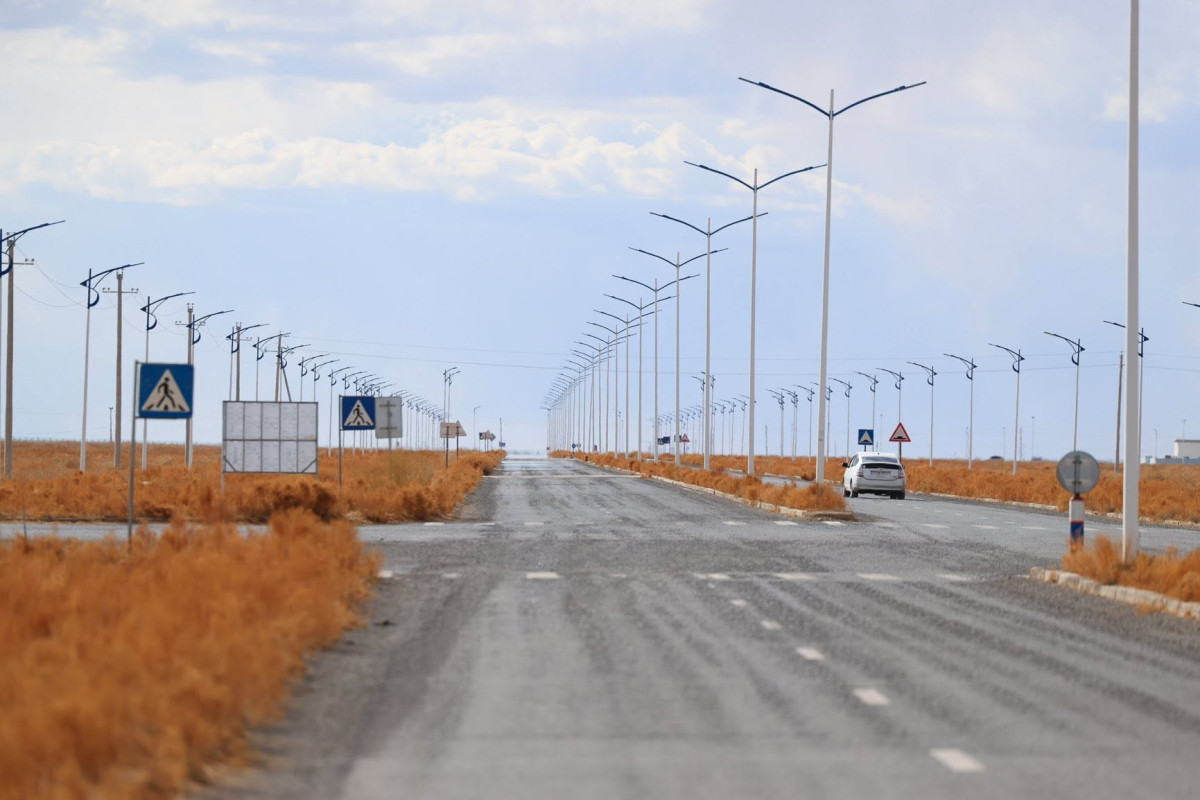
Why is Mongolia changing the law?
Mongolia has been experimenting with free zones for more than two decades. The parliament adopted the concept of establishing economic free zones in 1995. Separate legislation was subsequently adopted for the Altanbulag, Zamiin-Uud and Tsagaannuur free zones in the early 2000s. In 2015, those separate legal frameworks were replaced by a revised, unified Law on Free Zones. But the system has struggled to deliver the scale of economic activity originally envisaged.
Parliament says that more than 20 years after the original legislation was introduced, successive governments have invested efforts in developing the zones, but their operations have not produced the expected results.
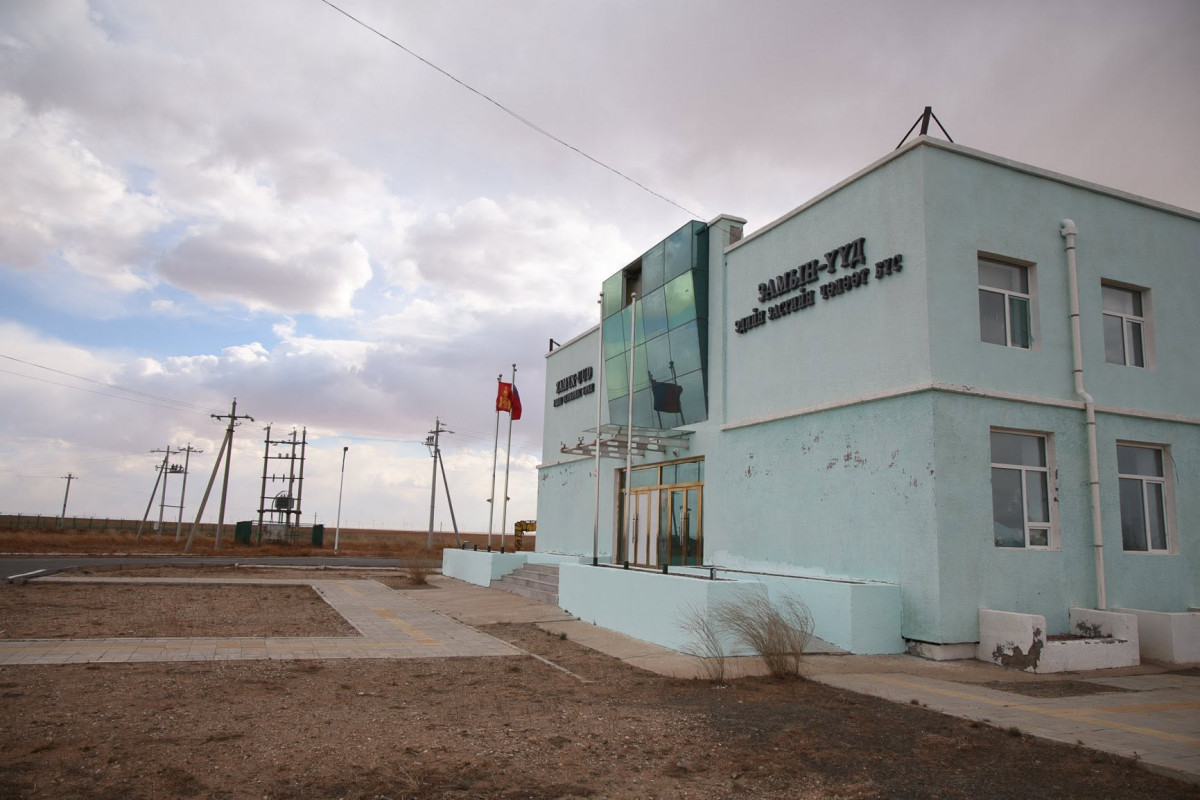
A 2026 assessment of implementation of the existing Free Zone Law provides a snapshot of the problem. At the end of 2024, 67 legal entities were registered in Tsagaannuur, but only three were operating; Altanbulag had 129 registered entities, of which 10 had cooperation agreements; and Zamiin-Uud had 81 registered entities, with eight operating on a regular basis.
The proposed legislation is therefore intended not simply to rename the system, but to make the zones more commercially functional.
Faster registration and approvals
One of the major changes is the proposed creation of a more integrated administrative system. The draft provides for a unified administration for special economic zones and a centralised information system covering companies operating in the zones, investment and foreign workers. The system would also allow information to be exchanged electronically with relevant government agencies.
The proposed system would also shorten the process for obtaining licences. Companies registered in a special zone would be able to submit applications electronically. The central economic administration would have two working days to forward relevant documents to the responsible government agency, while the sectoral authority would have three working days to review them. The final licensing process is designed to be completed within 10 working days after the application is received by the central economic authority. The intention is to reduce the administrative delays that have traditionally discouraged investors from operating in Mongolia's free zones.
Wider business activities, including financial services
The draft takes a broad approach to permitted economic activities.
Businesses in free zones could engage in manufacturing, services, tourism and trade, as well as international banking and financial activities, subject to Mongolian law. The proposed framework also lists environmental services, infrastructure, transport, finance, customs, investment, education, information technology, agriculture, light industry, healthcare and energy among the relevant fields.
The bill's sponsors have specifically highlighted the possibility of developing a financial free zone as part of Mongolia's longer-term ambition to become an international financial centre.
Parliament's explanation of the bill argues that Mongolia's democratic political system and geographical position could make it suitable for attracting foreign direct investment and developing financial, transport and logistics activities. The sponsors say a financial free zone could help diversify the economy and support the country's emergence as an international financial centre.
Investor protections and land incentives
The draft would establish an Investors' Council in each free zone, made up of domestic and foreign investors. Government representatives would participate in an advisory capacity, while the council would make recommendations on management, policy and regulation.
Investors would also be permitted to conduct payments in both Mongolian and foreign currencies, while the draft explicitly provides investors with the right to transfer legally earned profits abroad in foreign currency.
Land-use incentives would be another important feature. Companies involved in trade, tourism and hotel services would receive a 100% exemption from land-use fees for their first five years, followed by a 50% reduction for the next three years.
Companies involved in infrastructure and manufacturing would be exempt from land-use fees for their first 10 years. Businesses implementing construction and development projects could receive a full exemption for five years and a 50% exemption for another five years, subject to government decisions.
The draft also allows free-zone infrastructure to be financed through public-private partnerships, state and local budgets, private investment, foreign loans and assistance, and government bonds.
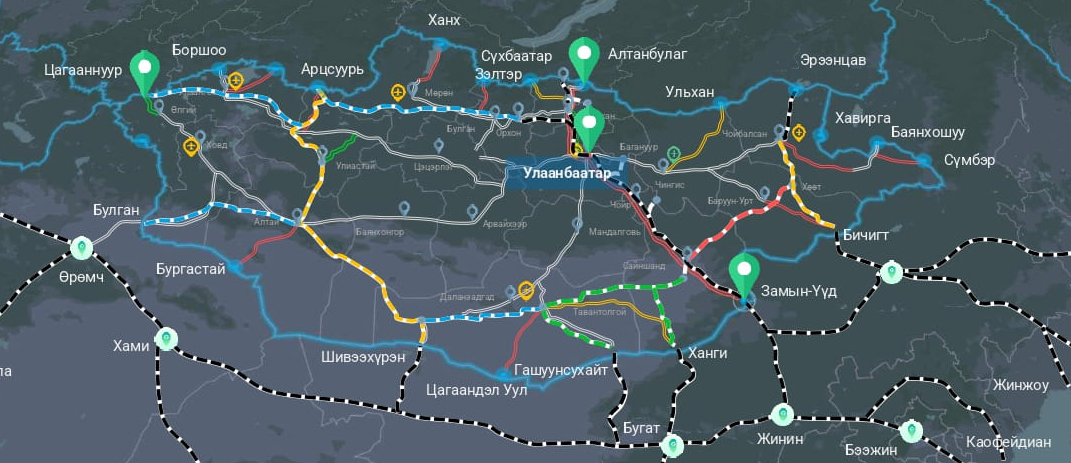 Locations of free economic zones of Mongolia
A test for Mongolia's investment ambitions
The reform comes against a long history of ambitious plans and slow implementation.
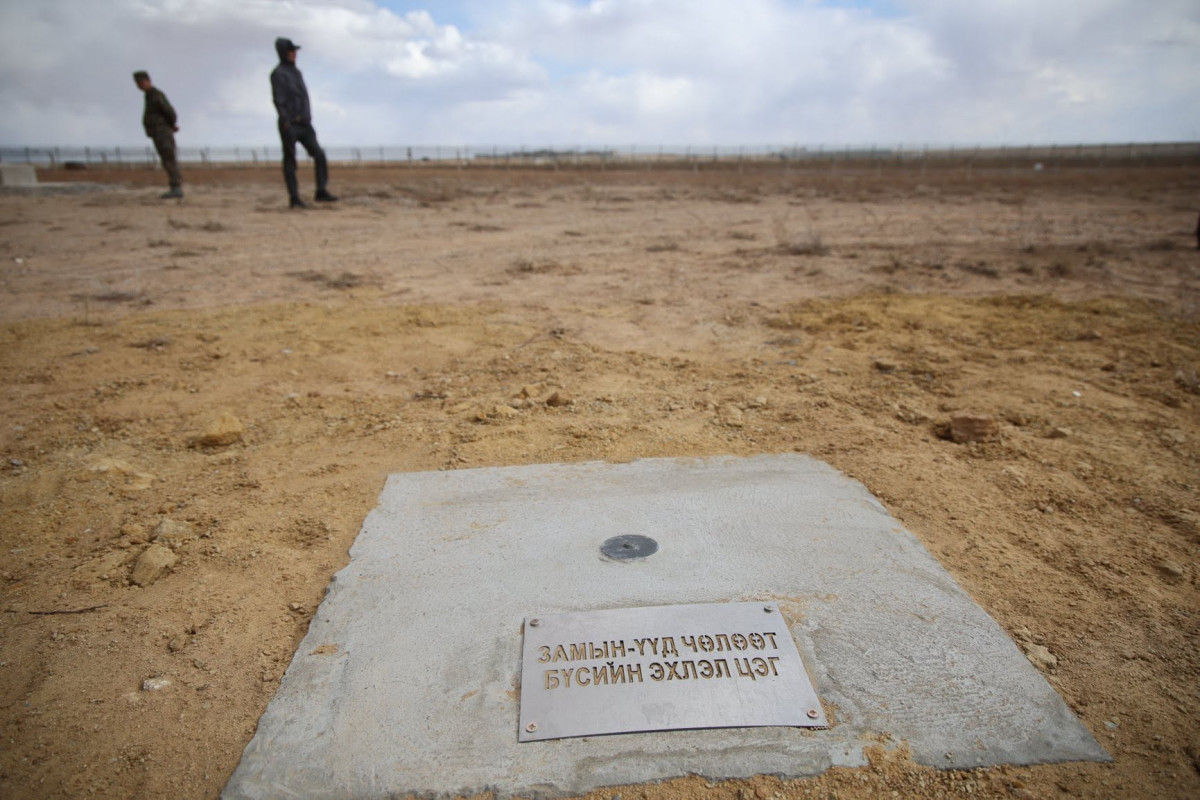
Mongolia's three established free zones — Altanbulag, Zamiin-Uud and Tsagaannuur — have faced challenges ranging from inadequate infrastructure and administrative coordination to low levels of private-sector activity. Government officials have repeatedly called for their operations to be accelerated and for foreign investment to be attracted.
The proposed law also introduces a stronger emphasis on infrastructure and economic viability when deciding where to establish a zone. The draft requires consideration of roads, railways and airports, water and energy supplies, urban-planning standards, environmental conditions, logistics, markets and available labour.
Special economic zones could be established for at least 20 years, with the possibility of one further extension depending on the zone's activities and investment volume. The government would have the authority to establish, modify, merge or abolish zones and determine their boundaries and locations.
The proposed legislation therefore represents a significant change in Mongolia's approach: from a relatively narrow free-zone model centred largely on trade and border locations to a more diversified system intended to attract investment and build productive industries.
But the central question will be implementation.
Mongolia already has legal experience with free zones, tax incentives and special regimes. The challenge has been turning those provisions into sustained private investment, exports, jobs and economic activity.
If approved, the new framework would give the government considerably more flexibility to establish specialised economic zones. Whether that flexibility produces a new generation of productive investment hubs — rather than simply expanding the number of designated zones — will depend on infrastructure, administrative efficiency, investor confidence and consistent government policy.
Санал болгох






Сэтгэгдэл бичих
Та сэтгэгдэл бичихдээ бусдад хүндэтгэлтэй хандана уу. Ёс бус сэтгэгдлийг Peak.mn сайт устгах эрхтэй.