Soaring Inflation and Rising Fuel Costs Trigger Economic Distress Across Mongolia
 Ч.Сумъяабазар
08 сарын 21, 2026

ULAANBAATAR, Mongolia—Inside Ulaanbaatar’s cavernous Narantuul market, commonly known as the "Black Market," the traditional bustle of traders and shoppers has turned into a series of tense, hushed exchanges. For months, families across Mongolia’s capital have been forced to recalculate their daily budgets, but the latest fiures confirm what householders have long felt at the checkout counter: living costs are spiralling at their fastest rate in over three years.
Official economic data by National Statistics Office shows Mongolia’s annual inflation rate accelerated to 13 per cent in July, up from 12 per cent in June, marking a multi-year high. Driven by a lethal combination of skyrocketing food prices, surging international energy costs, and structural transport bottlenecks, Mongolia is facing an increasingly acute cost-of-living crisis.
For everyday citizens, the economic pinch is felt nowhere more acutely than at the grocery stall and the petrol pump.
MONGOLIA INFLATION AT A GLANCE
- Annual Headline Inflation: 13.0% (July 2026, highest since late 2022)
- Food & Non-Alcoholic Beverages: +25.5% year-on-year
- Transport & Logistics Costs: +10.0% year-on-year
- Restaurant & Hotel Services: +16.2% year-on-year
- Central Bank Policy Rate: Hiked by 50 bps to 12.5%
The Cost of Daily Bread
Food costs—which carry a heavy 25 per cent weight in Mongolia’s Consumer Price Index (CPI) basket—have been the primary driver of domestic price hikes. Food and non-alcoholic beverage prices shot up by a staggering 25.5 per cent year-on-year in July, compounding a nearly identical 24.8 per cent jump registered in June.
In a country where meat and dairy form the traditional bedrock of the diet, herders and urban consumers alike are finding basic sustenance increasingly prohibitive. Staples such as mutton, beef, flour, and imported vegetables have recorded double-digit price increases in recent months, driven in part by lingering disruptions in domestic agricultural supply chains following severe winter weather and elevated transport tariffs.
"A year ago, 100,000 tugriks (£23) could fill two large grocery bags with meat, flour, and vegetables," says Tuya Bayarsaikhan, a mother of three living in Ulaanbaatar’s Bayangol district. "Today, that same amount barely covers four days of basic cooking. We are buying less meat and cutting out fresh fruit entirely."
The inflationary ripple effects have touched nearly every sector of the domestic economy:
- Restaurants & Hotels: Prices rose 16.2 per cent year-on-year as service providers pass higher ingredient costs onto customers.
- Education & Healthcare: School fees and medical services surged by 12.8 per cent and 7.5 per cent respectively.
- Clothing & Footwear: Consumer apparel saw an annual increase of 7.2 per cent.
"We are buying less meat and cutting out fresh fruit entirely. Every trip to the market feels like a losing battle against our own paychecks." — Tuya Bayarsaikhan, Ulaanbaatar Resident
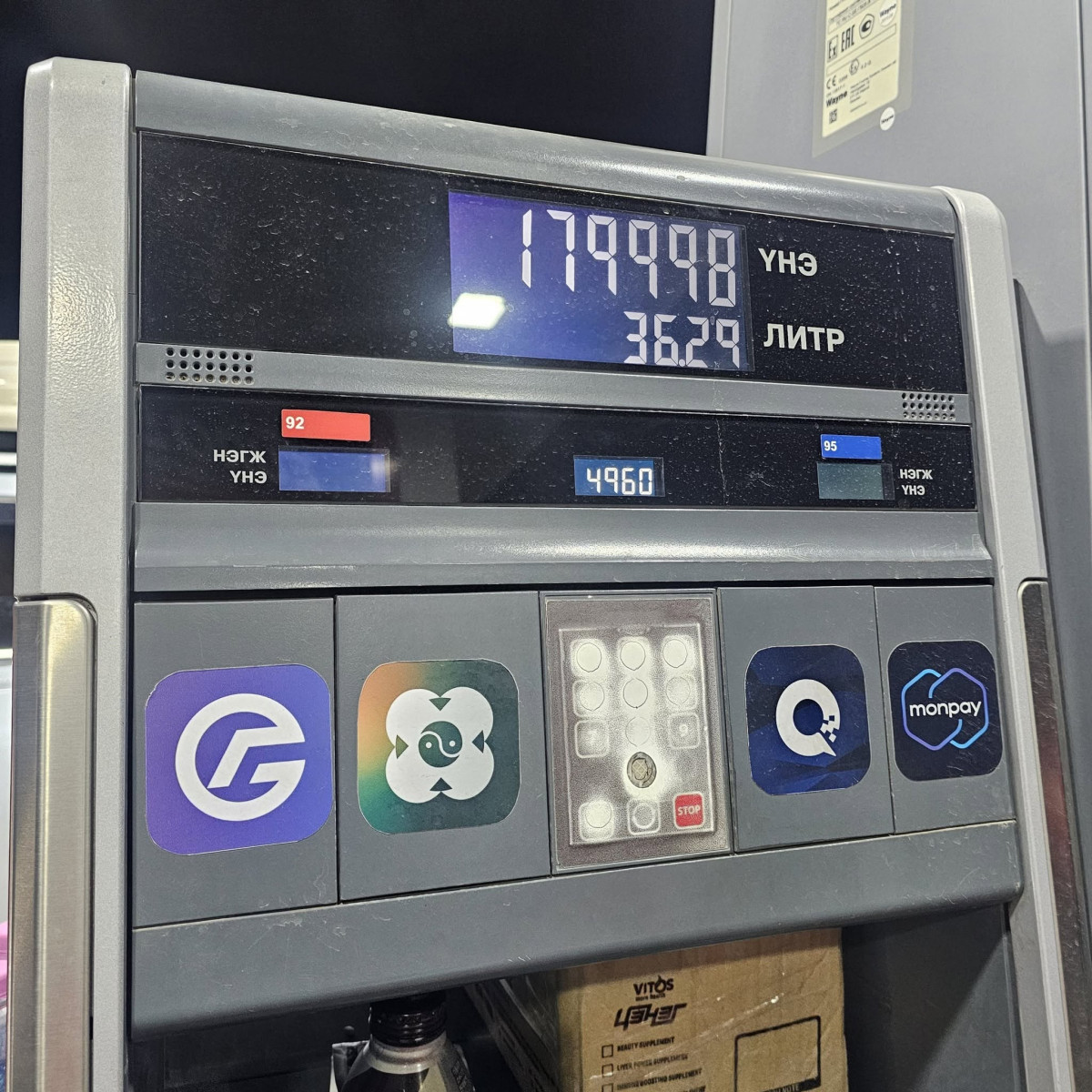
Fuel Shortages and Freight Pressures
Adding fuel—literally—to the economic fire is Mongolia’s heavy dependency on foreign energy imports. Despite boasting vast mineral wealth in coal and copper, Mongolia imports nearly 100 per cent of its refined petroleum products, predominantly from neighbouring Russia.
Refining disruptions, heightened regional energy demand, and global logistics bottlenecks have pushed local fuel prices upward, causing transport sector inflation to jump from 5.7 per cent in June to 10 per cent in July. The price of standard gasoline and diesel at local pump stations has risen past $1.67 per litre, placing an immense burden on freight hauliers, taxi operators, and herders in remote aimags (provinces) who rely heavily on long-distance vehicle transport.
Because almost all consumer goods sold in landlocked Mongolia must be trucked across border checkpoints from China or Russia, every incremental rise in diesel prices instantly translates into higher shelf prices for imported food, clothing, and household electronics.
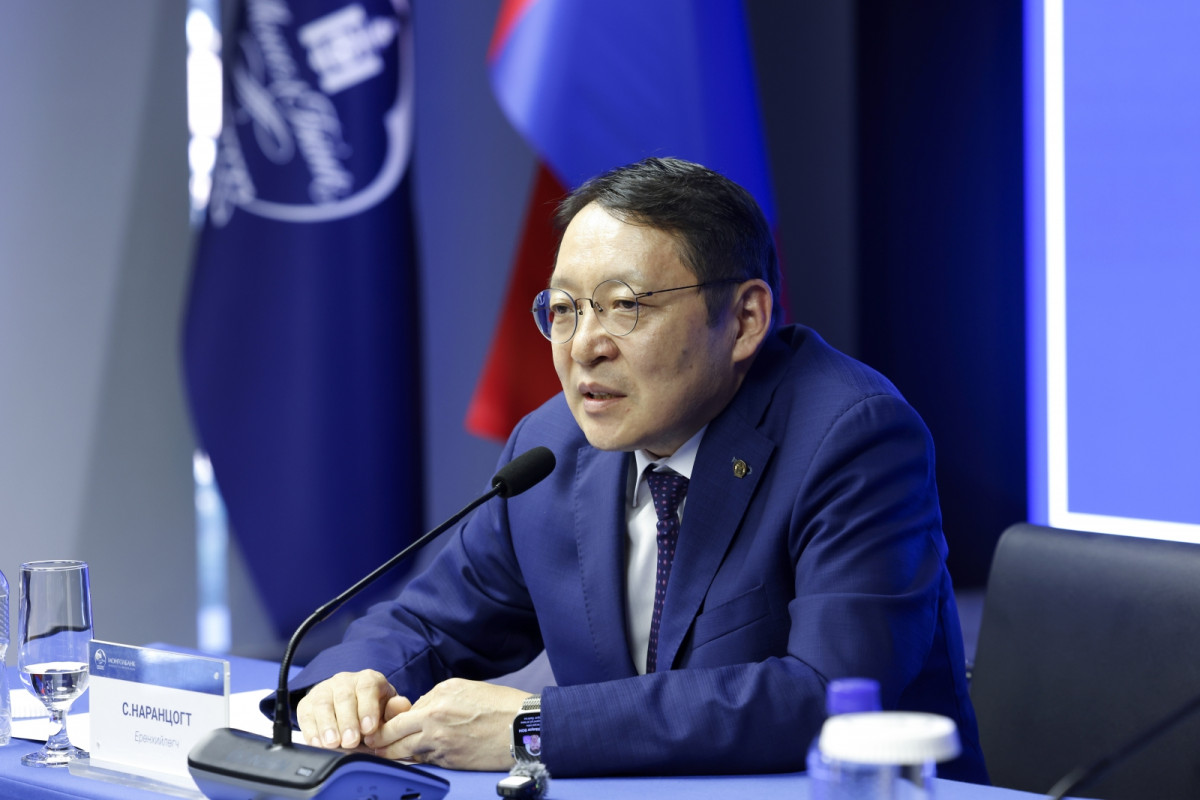 President of Bank of Mongolia S.Naratsogt announced policy interest rate has been increased up to 12.5 per cent.
Policy Emergency and Political Fallout
The sharp spike in consumer prices has put extreme pressure on the Bank of Mongolia. Having maintained its primary policy rate for 17 consecutive months, the central bank’s Monetary Policy Committee convened an emergency meeting on August 12 to raise the benchmark rate by 50 basis points to 12.5 per cent.
Central bank officials warned that monetary intervention alone cannot fully tame inflation while structural energy dependencies and off-budget infrastructure spending remain high. Global credit ratings agency Fitch recently highlighted that while Mongolia’s overall GDP growth remains resilient at over 5 per cent—buoyed by copper and coal mining exports—average annual inflation will likely remain stuck around 10 per cent through the remainder of the year, well above the central bank’s target band of 4 to 8 per cent.
The economic squeeze comes at a sensitive political juncture. Mongolia’s coalition government has faced public discontent over civil service wages and living costs. The cost-of-living crisis has fueled renewed demands from trade unions and civic groups for state price controls on essential staples and fuel, as well as emergency subsidies for low-income families living in Ulaanbaatar's vulnerable ger districts.
With winter approaching—a season that traditionally brings elevated heating costs and logistical challenges across the icy steppe—Mongolians are bracing for a difficult autumn, hoping that central bank intervention and domestic energy initiatives can bring much-needed relief to their pocketbooks.
Холбоотой сэдвүүд
бодлогын хүү инфляци монгол банк үндэсний статистикийн хороо үсх
Санал болгох